Friday, 9 October 2026

The Hidden Source of Forever Chemicals in Our Waterways

Beyond the Frying Pan: The Hidden Source of Forever Chemicals in Our Waterways

Unpacking the science of industrial fume suppressants, "trade effluent," and the failure of conventional wastewater treatment.

When the media talks about Per- and Polyfluoroalkyl Substances (PFAS)—the notoriously persistent "forever chemicals"—the conversation almost always pivots to consumer products. We read warnings about non-stick frying pans, fast-food wrappers, and water-repellent clothing. However, it is worth noting that major manufacturers are pivoting away from these formulations. For instance, while Gore-Tex historically relied heavily on fluoropolymers and PFAS-based Durable Water Repellent (DWR) finishes, the company and the broader outdoor apparel industry have been aggressively phasing out PFAS in recent years.

But obsessing over consumer goods misses a massive, largely invisible vector of environmental contamination: heavy industry.

A recent investigation published today in The Guardian highlights a staggering reality: UK water companies are generating hundreds of millions of pounds processing "trade effluent" (industrial and commercial wastewater) through sewage works that are fundamentally incapable of removing chemical pollutants. To understand why this is a catastrophic ecological loophole, we have to look closely at the complex chemistry of industrial surface treatments, specifically the electroplating industry.

The Chemistry of Vats and Vapors

In the surface treatment of metals—such as hard chromium plating or nickel electroplating—metal parts are submerged in chemical baths containing heavy metal salts, strong acids, and chemical complexing agents. During the electroplating process, gas bubbles (primarily hydrogen and oxygen generated by electrolysis) rise to the surface of the heated vat. When these bubbles burst at the liquid-air interface, they violently eject a highly toxic, carcinogenic mist of heavy metals (like hexavalent chromium) into the air.

To prevent this toxic aerosolization, protect factory workers, and stop heavy metals from overloading air abatement systems, the industry relies on fluorinated wetting agents, which function as mist suppressants or fume suppressants (Fath et al., 2015). Historically, Perfluorooctanesulfonic acid (PFOS) was the chemical of choice, though it is increasingly being replaced by shorter-chain PFAS or chlorinated polyfluorinated ether sulfonates.

How does this work chemically? PFAS molecules are uniquely structured surfactants. They feature a hydrophilic (water-attracting) head and a highly hydrophobic/oleophobic (water- and oil-repelling) fluorocarbon tail. When added to the plating vat, they drastically lower the surface tension of the highly acidic aqueous bath. By reducing surface tension and altering the fluid dynamics of the gas-liquid interface, these chemicals ensure that when gas bubbles rise, they form a stable, densely packed foam blanket on top of the vat rather than bursting violently (Sochacki et al., 2024). This surfactant-stabilized foam acts as a physical barrier, trapping the heavy metal vapors before they can escape into the factory air.

The Liquid Loophole

While the addition of PFAS perfectly solves the air quality problem, it creates a devastating water quality crisis. Exhaust systems and air scrubbers above the vats are strictly monitored for heavy metal emissions. However, liquid discharges are governed by vastly different—and often much looser—metrics.

When these chemical baths are degraded, cleaned out, or continuously rinsed, the process generates high volumes of liquid trade effluent. Because regulations have historically focused on catching heavy metals, the effluent is neutralized to remove the chromium or nickel. But the PFAS? It remains completely untouched, passing straight down the drain (Jiang et al., 2024).

Once this trade effluent reaches a municipal Wastewater Treatment Works (WWTW), it enters a system built for biological waste, not synthetic fluorochemistry. Conventional wastewater treatment relies on coagulation, flocculation, and biological degradation by microbes. PFAS molecules, armed with some of the strongest carbon-fluorine bonds in organic chemistry, are highly soluble in water and almost entirely resistant to biological or chemical breakdown. Furthermore, the strong ionic hydrophilic groups on PFAS molecules cause electrostatic repulsion, preventing them from settling into flocs during coagulation (Liu et al., 2022).

The Core of the Crisis

As a result, municipal wastewater treatment plants do not destroy PFAS; they merely redistribute it. The soluble "forever chemicals" pass straight through the treatment works and are discharged as liquid effluent into rivers and oceans. Alternatively, they bind to the solid sewage sludge (biosolids), which is then ironically spread onto agricultural land as fertilizer, contaminating the food chain.

The core of the PFAS crisis isn't just the non-stick pan sitting in your kitchen cabinet. It is the thousands of liters of unmonitored industrial effluent poured down the drain, perfectly engineered to suppress mists but utterly immune to conventional water treatment.


References

Fath, A., Sacher, F., & McCaskie, J. E. (2015). Electrochemical decomposition of fluorinated wetting agents in plating industry waste water. Water Science and Technology, 73, 1659–1666. https://doi.org/10.2166/wst.2015.650

Cited by: 23

Jiang, X., Zhou, Z., Qin, Z., et al. (2024). Occurrence, Transport, and Full-Scale Adsorptive Removal of PFAS in Electroplating Parks in China. Environmental Science & Technology, 58, 22744–22754. https://doi.org/10.1021/acs.est.4c08065

Cited by: 54

Liu, S., Jin, B., Arp, H. P. H., Chen, W., Liu, Y., & Zhang, G. (2022). The Fate and Transport of Chlorinated Polyfluorinated Ether Sulfonates and Other PFAS through Industrial Wastewater Treatment Facilities in China. Environmental Science & Technology, 56, 3002–3010. https://doi.org/10.1021/acs.est.1c04276

Cited by: 120

Sochacki, M., Michorczyk, P., & Vogt, O. (2024). Foam Fractionation as an Efficient Method for the Separation and Recovery of Surfactants and Surface-Inactive Agents: State of the Art. ACS Omega, 10, 55–75. https://doi.org/10.1021/acsomega.4c08413

Cited by: 42

Friday, 9 September 2022

Is going to the moon again a good use of resources?

Is going to the moon again a good use of resources?

Is going to the moon again a good use of resources? Should we spend the money on exploring options for the future? Spend it on cleaning our planet? The answer to all of these questions is yes. Whilst going to the moon improves our technology and gets us one step closer to sci-fi films becoming reality, are we really going to improve our technology enough to leave our ruined planet? We could use our resources to explore new planets, or we could use them to fix our home planet. Going to the moon is a good use of resources, yes. However could these resources be used on more useful things, also yes. We need to fix our planet or we will die a gruesome death and you will die and I will die and that guy next to you will die and that girl who is sitting outside on a bench will also die. 

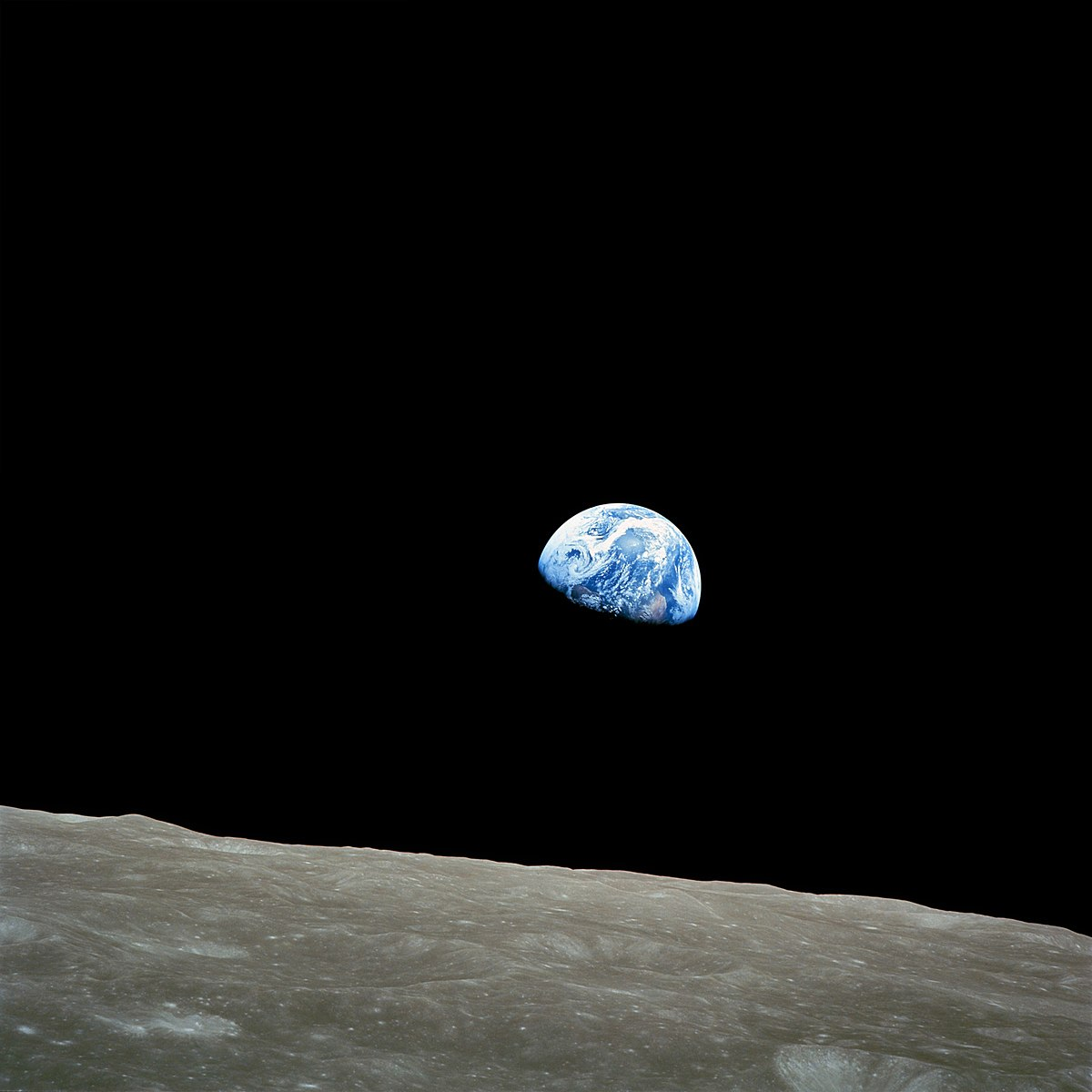
Earth Rise - Perhaps the Most Valuable Thing from the Moon.


Realistically what are we going to gain by flying to the moon? Renewable energy sources? A solution for climate change? A fairy princess who will swoop down sand solve the planet that we messed up so majorly? The answer to these questions is no. As much as all humans fanaticise about easy solutions, reality is a lot harsher, there is no simple fix to what we’ve done and flying to the moon just because we can is not going to help solve anything. So in answer to the question from the beginning; Should we use our resources on flying to the moon again? We don’t know. No one knows. Maybe there is a fairy princess on the moon, maybe there is a renewable energy source, or maybe it will just be a colossal waste of resources and time.

Life Cycle Assessment for Amazon Climate Pledge

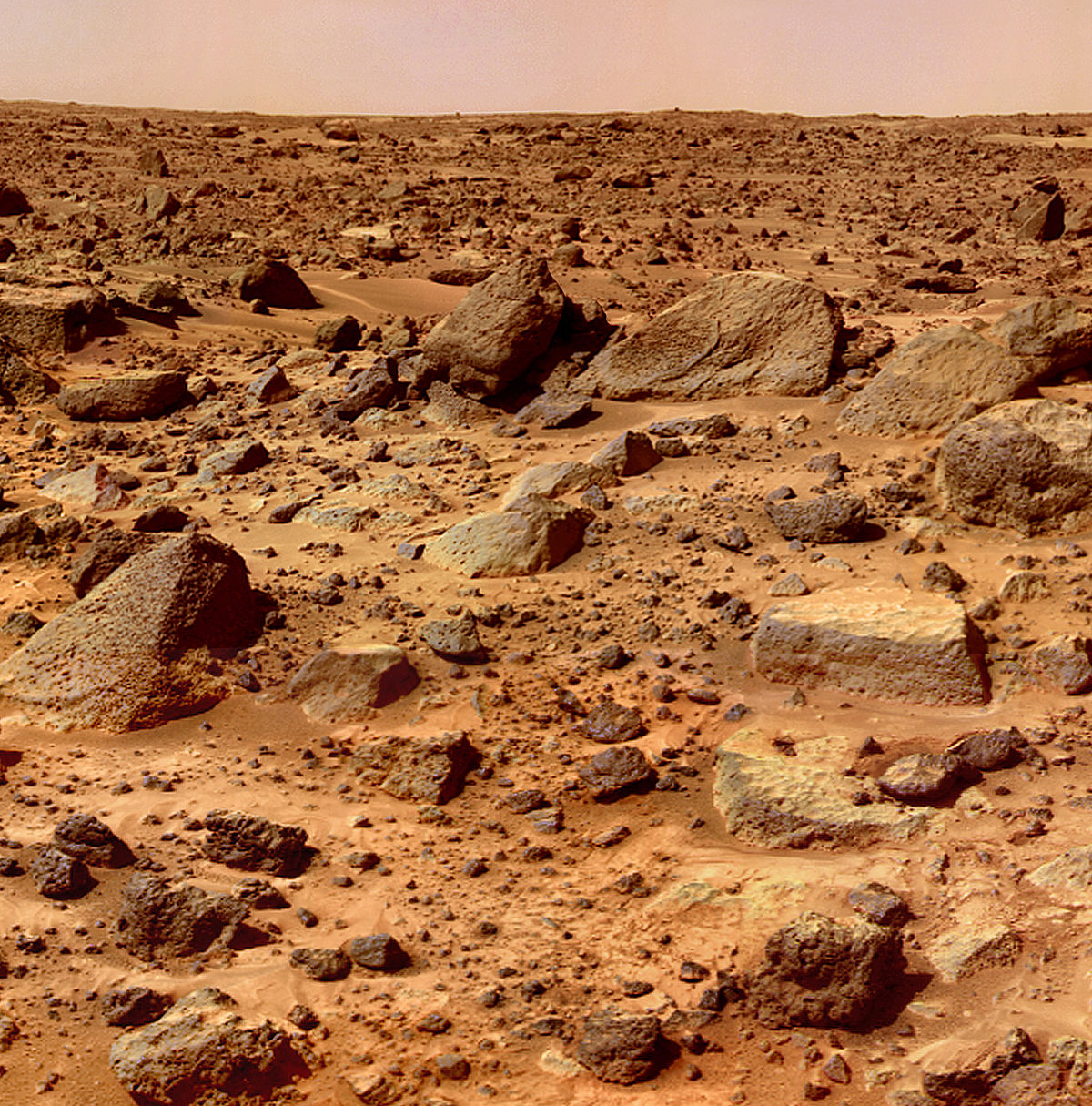
Should we Colonise Mars or Fix Earth?

Should we colonise mars or fix earth? 

I believe that we should do our best to fix earth as it is the planet we’ve been given and we shouldn’t try to run away from our problems. We would not be able to fix it completely but we can at least try. It’s our fault that we have to fix or leave earth and if we go to mars it will be inhospitable and we would just ruin that planet too. Even if we did move to mars it would be like that scene in Loki where the rich people are boarding a train to leave the planet as the moon is about to crash into it, and the poor are waiting in a cue yelling about their children, there would be no way to move the whole population and how would they decide who to move since they couldn’t? I believe that we should learn to adapt to the planet that we’ve been given, we should change as the planet changes. Otherwise the human population will not survive climate change. If the past generations had taken better care of the planet this wouldn’t be happening right now, if all humans had taken care of the planet then we wouldn’t have to think about questions like these. But we do. And since we might have to move to mars we should consider it as it may be our only option. Maybe two family’s will move to Mars to restart the population, probably Elon Musks and whoever else is wealthy enough to buy seats on the rocket or maybe by the time it has become necessary humans will have left earth because of advances in technology, like in Valerian: The city of a thousand planets. 

Home Sweet Home

No one knows the future! 


Maybe we will fix the planet, maybe we won’t, but either way we have to start doing something.I believe that we should do our best to fix earth as it is the planet we’ve been given and we shouldn’t try to run away from our problems. We would not be able to fix it completely but we can at least try. It’s our fault that we have to fix or leave earth and if we go to mars it will be inhospitable and we would just ruin that planet too. Even if we did move to mars it would be like that scene in Loki where the rich people are boarding a train to leave the planet as the moon is about to crash into it, and the poor are waiting in a cue yelling about their children, there would be no way to move the whole population and how would they decide who to move since they couldn’t? I believe that we should learn to adapt to the planet that we’ve been given, we should change as the planet changes. Otherwise the human population will not survive climate change. If the past generations had taken better care of the planet this wouldn’t be happening right now, if all humans had taken care of the planet then we wouldn’t have to think about questions like these. But we do. And since we might have to move to mars we should consider it as it may be our only option. Maybe two family’s will move to Mars to restart the population, probably Elon Musks and whoever else is wealthy enough to buy seats on the rocket or maybe by the time it has become necessary humans will have left earth because of advances in technology, like in Valerian: The city of a thousand planets. No one knows the future, maybe we will fix the planet, maybe we won’t, but either way we have to start doing something.

Written by "O" aged 14 

Life Cycle Assessment for Amazon Climate Pledge


5 Things that People Regularly Buy that they Don’t Need.

5 Things that People Regularly Buy that they Don’t Need

There are tons of things that we use everyday that we could avoid using. This will not only save us money, but also it is save the planet. Just stop buying things!


  • One thing that I have in my house usually is wet-wipes, these are really useful for cleaning windowsills and desks etc. but they are single use and bad for the environment, an alternative to using these, is a dish cloth which does the job the same way.
  • Another product which I use a lot is cotton pads, they are extremely useful for washing my our face and removing makeup but there is an alternative which works just as well and isn’t as bad for the environment; reusable cotton pads, they are like flannels but rounded and since I got some around last Christmas I have stopped using the single use cotton pads.
  • Another simple thing to go without is plastic bottles, as convenient as they may be when out and about, using a reusable water bottle is a lot better for the environment and some shops now have refilling stations for them. Similarly paper coffee cups can be avoided by taking a reusable cup with you.
  • Something which is surprisingly bad for the environment is tea bags, they are made out of plastic and using a teapot instead may take longer but is better for the planet. Some companies do make plastic free teabags as an alternative.
  • Something relatively simple to avoid is single use plastic bags, 300 million plastic bags every year end up in the Atlantic Ocean. It can be avoided very easily by using tote bags or any type of bag that is reusable to put shopping in.

So you see, here are five of the hundreds of things we can go without, maybe next time you’re out getting a coffee and you see a reusable cup available to buy, buy it, and you can use it, then use it again, then use it again.


Monday, 20 June 2022

Top 5 Environmental Movie Quotes

Top 5 Environmental Movie Quotes 

Below are my top 5 Environmental Movie Quotes: 

Number 1 - Donald - Interstellar 

"When I was a kid, it seemed like they made something new every day. Some, gadget or idea, like every day was Christmas. But six billion people, just imagine that. And every last one of them trying to have it all."


This for me is the single most thought provoking line, in any movie with regards to the Environment. The reason I found Donald's (pictured) line  so profound is that it points out the insanity of our current consumerist habits. We are being gaslighted in to thinking, that we need new stuff and it will make a us happy, and in following this false doctrine we are  destroying the planet. 

Number 2 - Scientist vs Politician - The Day After Tomorrow 


Vice President Becker: "Our economy is every bit as fragile as the environment. Perhaps you should keep that in mind before making sensationalist claims." 

Jack Hall: "The last chunk of ice that broke off was about the size of the state of Rhode Island. Some people might call that pretty sensational.”


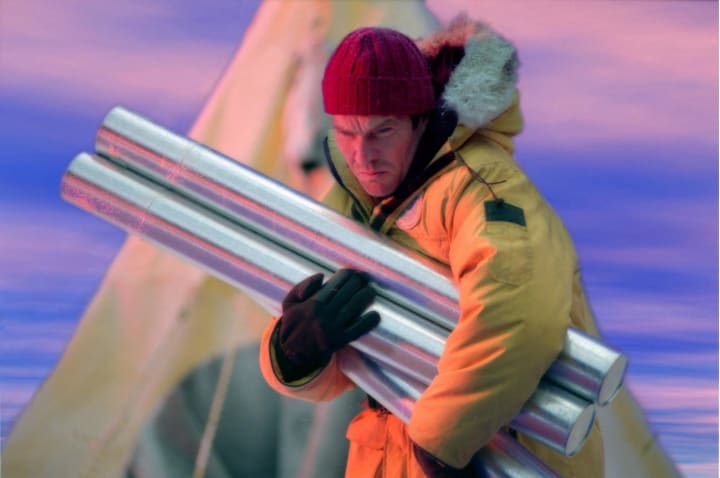
This brief exchange sums up the impasse that we have been at for year with regards to climate change. Polarised thinking, with no consideration of middle ground leaves scientists such as the character dennis quad (pictured) trying to justify facts, to politicians who often work in the realms of opinion.  That fact that our current course, of global capitalism, and corporate governance  is very unlikely to deliver the change we need, should be everyone's most pressing concern!

Number 3 - Freeman Lowel - Silent Running 


"There is no more beauty, and there's no more imagination. And there are no frontiers left to conquer"

 This quote is a bit depressing, but is it also realistic? We might consider hat we have conquered all frontiers here on earth. But this is not true. In quantum physics there are still a lot of discoveries and understanding to be made. 

But looking outward to the stars, and imagining (and they are just that) of us colonising other solar systems, the distances are so huge how will we get there? The distances are so massive, that just to accelerate a human body up to sensible speed (in order to make trip in sensible stasis period) would probably kill it. So many unknowns. And all the while we degrade and destroy our only habitable planet. 

Number 4 - Marco Lambertini - A Plastic Ocean


“Not only are plastics polluting our oceans and waterways and killing marine life – it's in all of us and we can't escape consuming plastics.”

In this documentary film, we see the breadth and depth of damage done by humanities reliance on plastics. It is not that plastics are a problem in themselves, but our mistreatment of them them after we have used them is a big problem. 

Thursday, 10 February 2022

Does California have the most environmentally friendly Cars?

Does California have the most Environmentally Friendly Cars?

Having visited LA a few years ago, the first thing that struck me was how unnecessarily large, and overpowered most of the vehicles were.

On that basis alone, I would say no. Japanese or European Cars (if telling truth!) will have lower emissions!

Air Quality - 25% better than Europe, but worse than Japan.

Whilst we still try and measure end of pipe emissions, most environmental measure also considers the . . . environment. We measure quality of the air, California is no exception.

California aims to maintain an Average Annual Air Quality of 0.03ppm, or 30ug/m3. This is better than the European Air Quality Objective, set at 40ug/m3.

Japan have a Hourly Average Air Quality Objective set at 0.04 - 0.06ppm. This will result in annual average far lower than those found in california.

Efficiency

The wider use of diesel cars in Europe is not great. They produce a lot more pollution. Many smaller diesel cars will easily get 50 - 60 miles to the gallon, which would meet the Corporate Average Fuel Economy (CAFE) standards of 54.5 miles to the gallon. Despite giving off very high NOx, and PArticulate Emissions.

Emission Control

So let us compare actual emissions standards, I will compare two countries:

Japan


California


Europe 


Now there is a lot to go through in these tables, the units are all different as are the substances measured. But dwelling on NOX:

California has a NOx limit of  0.05 grams per mile, or 0.03 grams per kilometer 

European Cars have a NOx limit of 0.06 grams per kilometer 

Japanese cars have a NOx limit of 0.05 grams per kilometer 

Life Cycle Assessment Consultants 

Environmental Claims Consultant